Demand forecasting
Compare forecasts with a seasonal baseline and measure errors during the periods that matter operationally.
Sector intelligence
Better forecasts are useful when operations can respond.
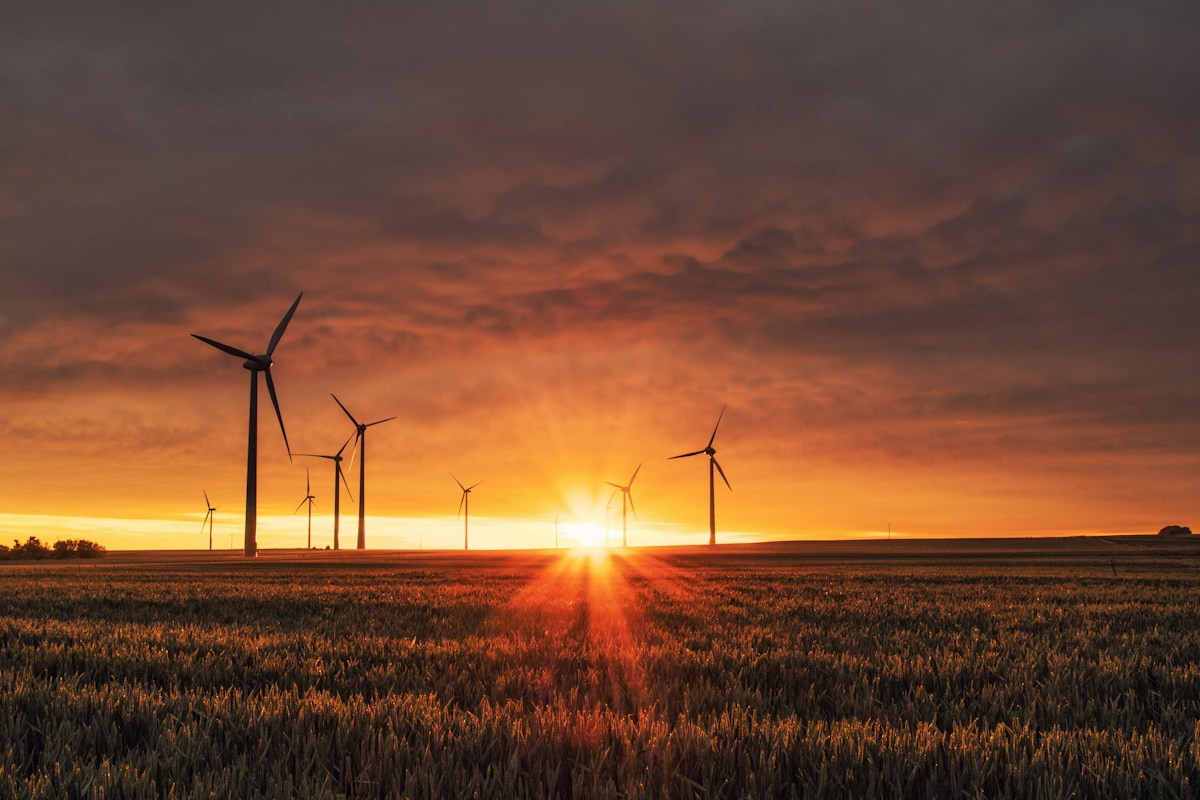
Practical opportunities to investigate. Results depend on your data, process and evaluation.
Compare forecasts with a seasonal baseline and measure errors during the periods that matter operationally.
Prioritise maintenance from sensor signals while tracking missed faults and unnecessary interventions.
Include the energy and infrastructure cost of the AI service in any claimed efficiency benefit.
Energy savings depend on what is being measured. Cooling electricity is different from the total electricity bill, and a quieter production period can look like an improvement. Define the boundary, operating conditions and people authorised to change settings before a trial.
Start with one building or process. Compare consumption under similar occupancy, weather or output conditions. Keep safety limits and manual control in place. Count monitoring and support costs as well as possible savings.
2024–2025
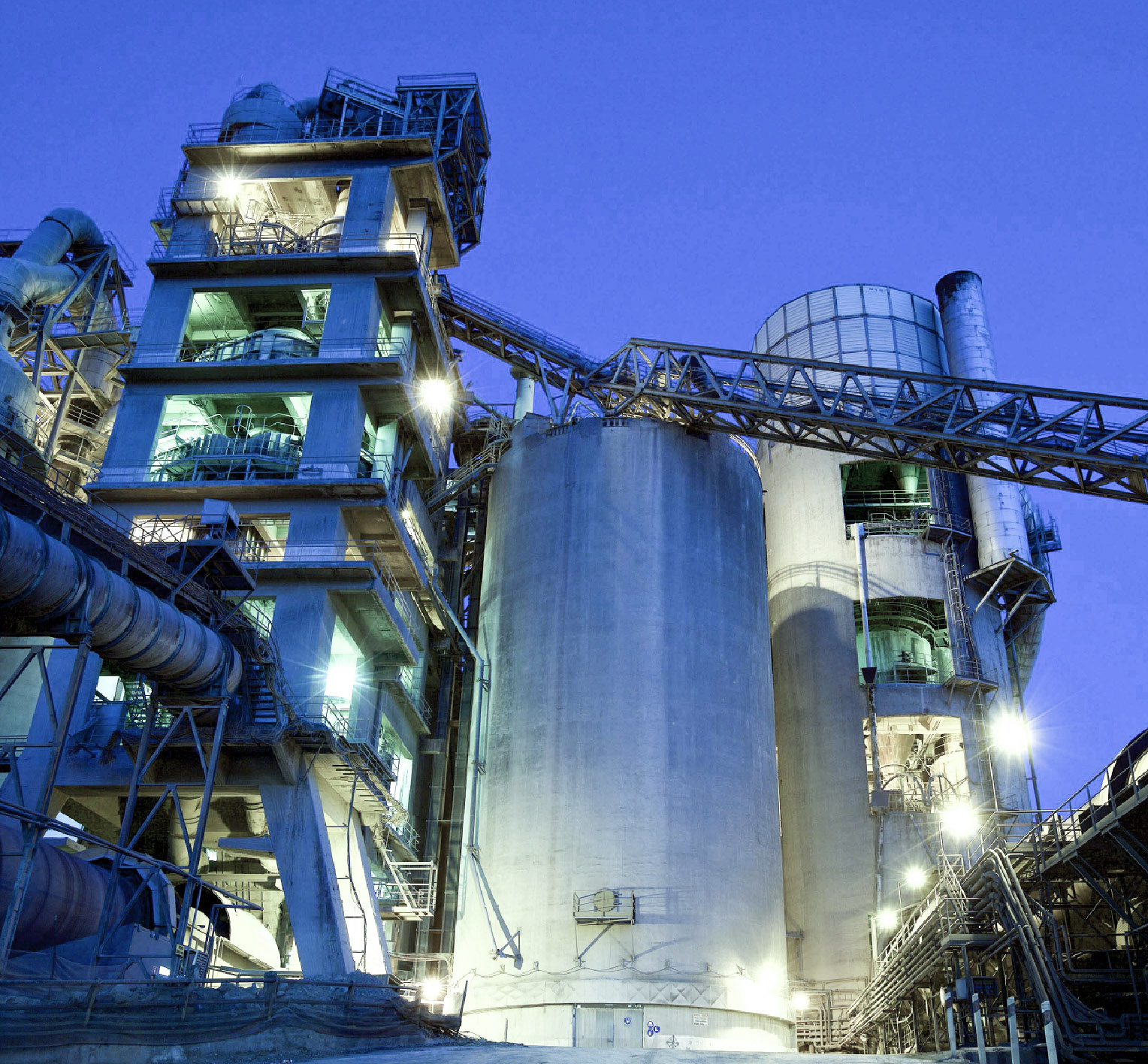
Catch equipment problems earlier and help a cement plant use less energy.
What happened and what to learn ↗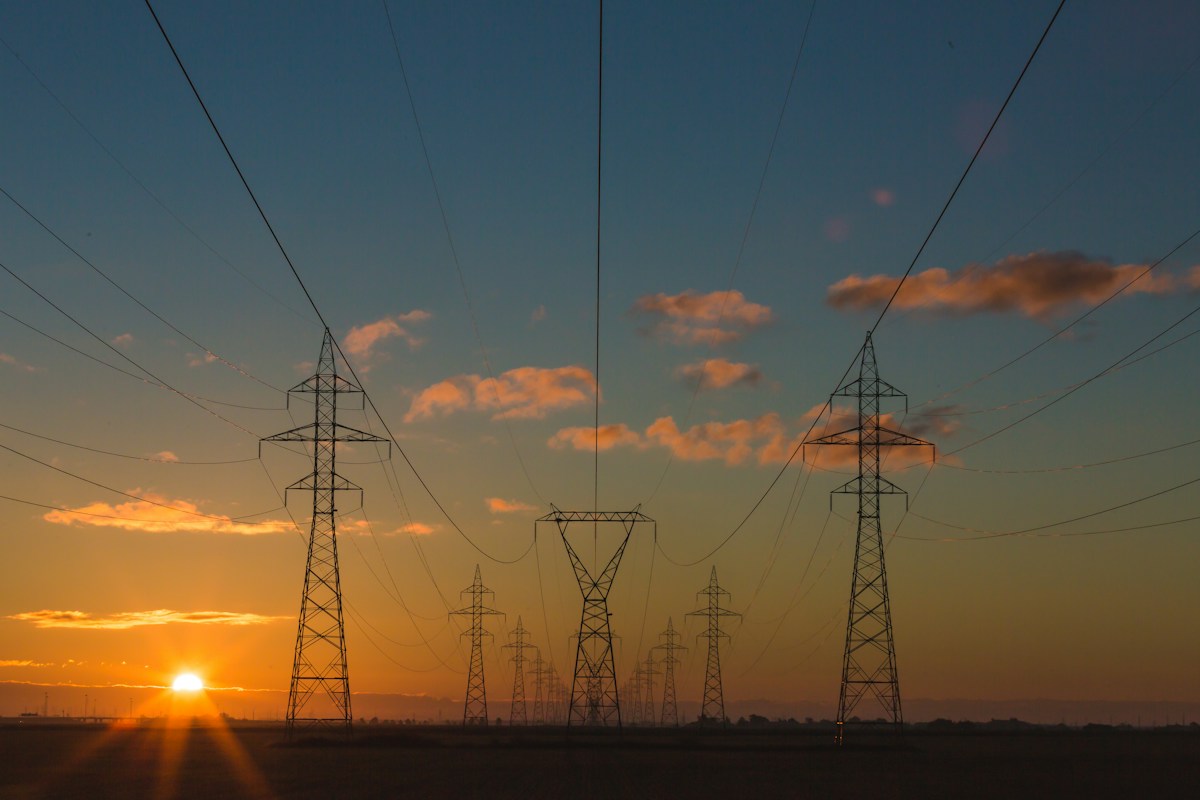
20 July 2016
Help cooling equipment use less energy while keeping a data centre within operating limits.
What happened and what to learn ↗Measure
Forecast error in critical periods, avoided outages and net resource consumption.
Watch
Extreme conditions outside the training sample and savings calculated without system costs.
Make the first move concrete
Choose a repeatable task. Record its current performance and the failures that matter. Test on a controlled sample, compare with the existing process, and decide what evidence would justify extending the trial.
Compare your opportunities