The case, explained simply
TITAN
Catch equipment problems earlier and help a cement plant use less energy.
What actually happened
TITAN describes two related uses of AI: adjusting production using plant measurements, and spotting warning signs before equipment fails. Its 2024 results report says machine-learning failure prediction had been installed across its cement plants since 2023. Engineers and maintenance teams remain central to acting on the information. This is an operating application, rather than a proposal for a future product.
What the evidence does not tell us
The public overview does not give a common before-and-after measurement for every plant or a complete implementation price. Do not turn the existence of the system into a guaranteed saving. Results from a cement kiln are not automatically transferable to a small factory.
What a Greek organisation can learn
- Choose one machine whose stoppages matter. Ask the maintenance lead to list its recent faults and the records available.
- For a short trial, let the system suggest inspections while the existing team keeps control. Keep every alert, including the wrong ones.
- Compare useful warnings, missed faults, time spent checking alerts and the total cost. Continue only if the maintenance team can explain the improvement.
Before spending money
Budget for sensor connections, cleaning old maintenance records and an engineer who reviews alerts. An alert that arrives too late or cannot be acted on is not a useful warning.
Read the original evidence
TITAN · Digitalization ↗TITAN · 2024 financial results ↗
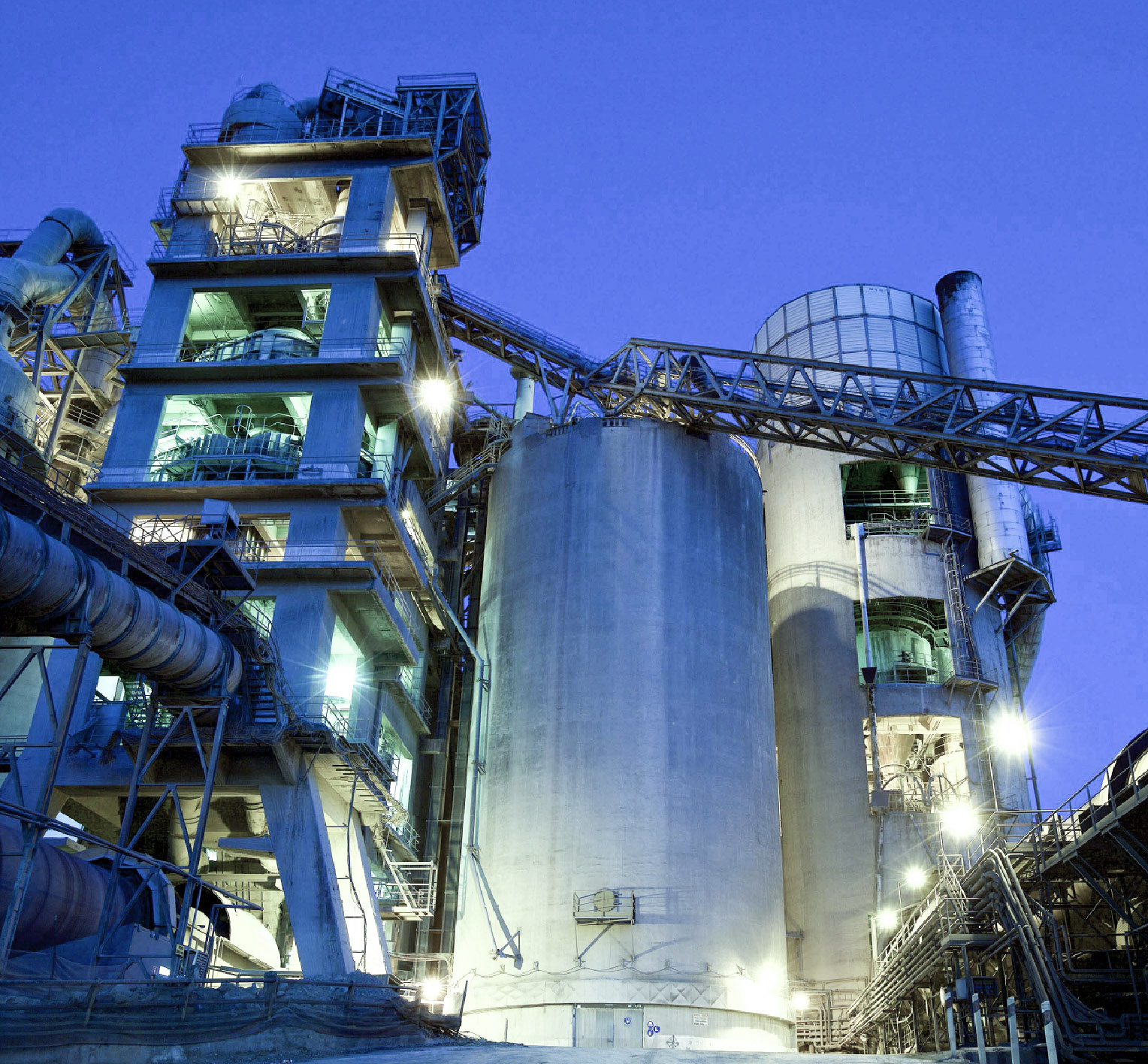
The practical steps above are AIStrategy’s editorial suggestions. They are not reported actions or promised results from the organisation featured. Photography illustrates the subject unless its caption identifies the actual facility.