The case, explained simply
DeepSea & Nabtesco
Help a ship keep a more efficient operating pattern and use less fuel.
What actually happened
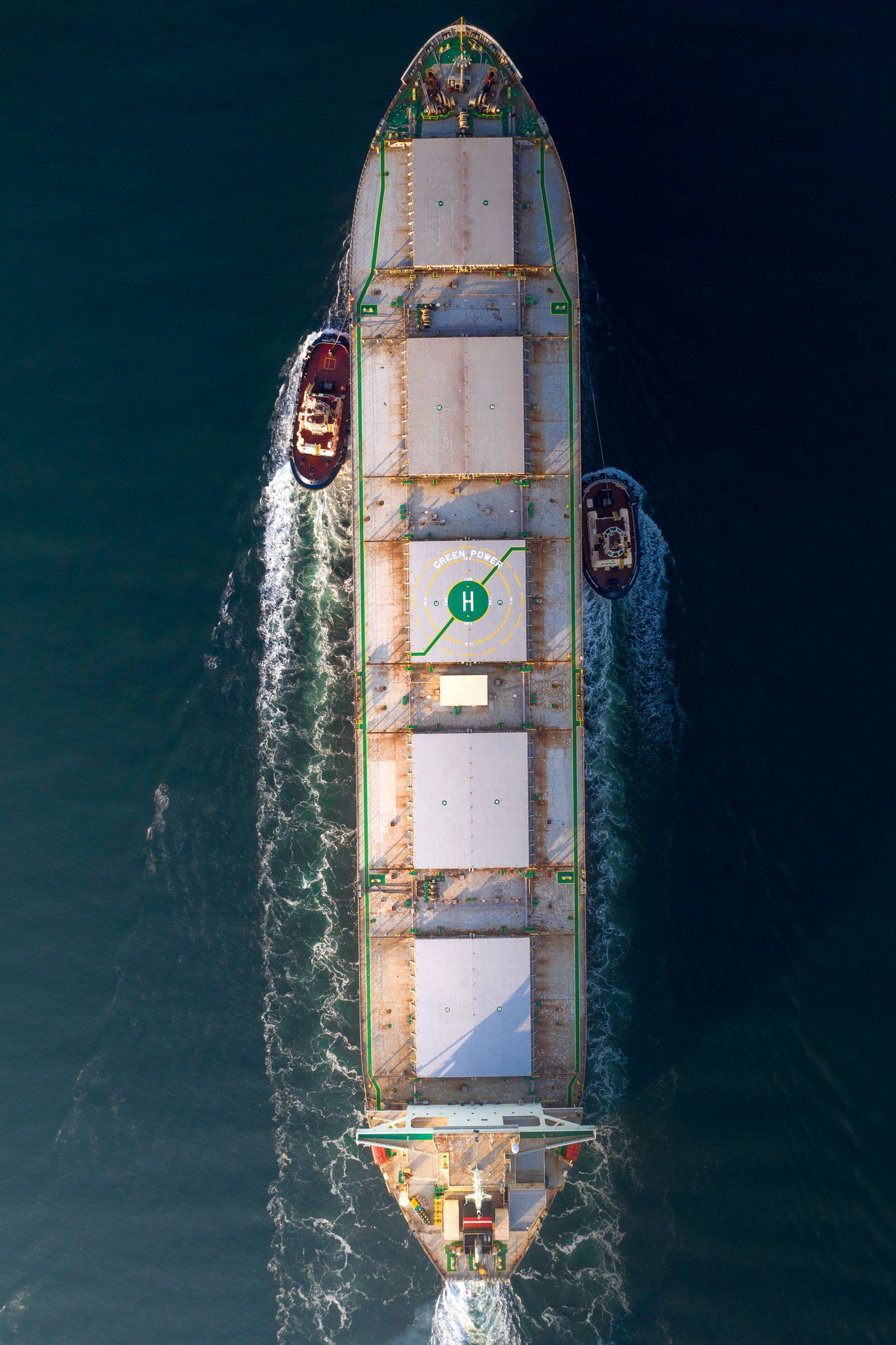
Nabtesco describes TELEGRAPH AGENT working with DeepSea’s Cassandra monitoring system on Eastern Car Liner’s Malaysia Grace. The manufacturer reports a 3.4% fuel-consumption improvement under constant-speed conditions. This is evidence about a particular combined system and trial, not a fleet-wide result for AI alone.
What the evidence does not tell us
Weather, cargo, speed, hull condition and route can change fuel consumption. The manufacturer’s report does not settle how much benefit a different vessel will see, or the complete installation and support cost.
What a Greek organisation can learn
- Choose a vessel with reliable fuel and operating records. Agree the comparison with the technical team and master.
- Compare similar operating conditions and log when recommendations are accepted or rejected. Keep navigational authority and safety procedures unchanged.
- Evaluate fuel, arrival performance, crew workload and total cost together. Investigate whether the result continues across different voyages.
Before spending money
Ask for the measurement method before accepting a savings claim. For smaller operators, data quality and crew confidence may be the first useful investment.
Read the original evidence
Nabtesco · trial announcement ↗The practical steps above are AIStrategy’s editorial suggestions. They are not reported actions or promised results from the organisation featured. Photography illustrates the subject unless its caption identifies the actual facility.